Iidsed kudumistehnikad, EBA ja loodusfotod/Ancient Knitting Techniques and Nature Photography

Tēriņtš!*

See postitus pidi olema Hästi Diip filosoofiline arutlus, aga sellise kirjutamiseks läheb üsna kaua aega ja alati ei peagi väga diip olema.

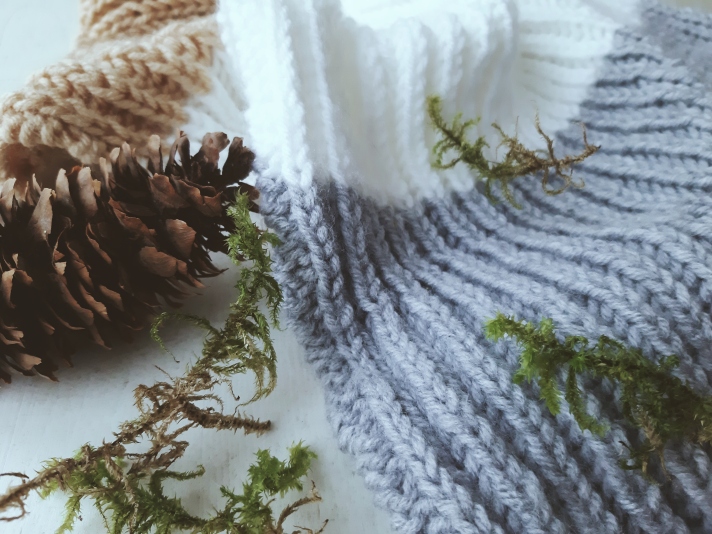
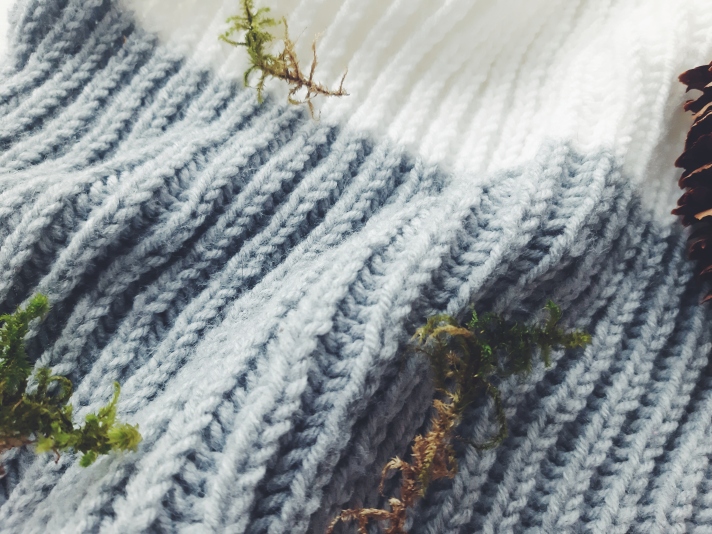
Vahepeal olen aga tegelenud ajaloolise käsitööga. Alustasin nõeltehnikast, millega ma ikka väga hästi veel läbi ei saa. Üks projekt on küll pooleli, aga noh, iidsed soomlased vangutaksid selle peale ainult pead. Peale seda hakkasin vitsu kuduma. See tööproov (või maalähedasemalt ehk ebakorrektselt öeldes proovilapp) kätkeb endas igasuguseid vigureid, mida varrastega teha saab. Hetkel on esindatud küll vaid kodumaised tehnikad, ent küll proovin ka teiste rahvaste omasid. Alt üles: kahe lõngaga keerates loomine, keerukord, keeratud vits (ehk Kihnu vits, ehkki tegelikult kooti seda enam-vähem igal pool), tavaline vits.


Tēriņtš!*

This post was supposed to be a Really Deep philosophical essay, but it takes quite a while to write one like that and sometimes there’s no need to be that deep.

Lately I’ve been busy practising historic needlework. I started out with some nalbinding, which I still don’t get along with very well. Ancient Finns would just shake their heads at my WIP. After spending some time on that, I cast on a swatch to try out all sorts of fancy stitches. Right now the swatch only showcases techniques used by ancient Estonians, but I’ll get to foreign stitches as well. There’s no point in giving you the Estonian names of these various braids and unfortunately, I’m too lazy to use Google to find their (possibly non-existent) English names. Sorry!

Tööproov.jpg

(Mul pole aimugi, miks mu viimase aja fotod kõik nii tuhmid on. Varsti polegi enam Kirju kui Liblikas, vaid Monochrome as a Moth. Mitte et mul midagi ööliblikate vastu oleks.)


(I’ve got no idea why all of my photos are so muddy lately. You’ll need to call this blog Monochrome as a Moth from now on. Get it? No, you probably don’t. Kirju kui Liblikas means (as) colourful as a buttefly in English. That’s the problem with puns that involve two languages, you have to explain the joke unless everyone in the room speaks them both. Also, no offence to moths, they’re really cool.)

voolane

Lisaks sellele avastasin, et pole teab-mis-ajast palmikuid keerutanud ning praktiseerisin seda veidike.


Found out that I haven’t done some proper cabling for a very long time and gave it some practice.

palmikud.jpg

See on nüüd küll juba väga vana uudis, ent tasub siiski mainimist. Olen tihti mõelnud, et ega siin eriti keegi ei käi, aga keegi peab ikka käima kah, sest päev peale blogiauhindu nende lehele minnes leidsin peale veidikest tuulamist, et Kirju kui Liblikas jäi noorteblogide kategoorias neljandaks. C’est magnifique, amIright? Suur-suur tänu kõigile, kes hääletasid! Ma olen tõsiselt ka väga rõõmus, et minu pajatused teistele korda lähevad. Siinkohal saadan soojad tervitused ka Gretele!

Blogiauhindadest endast nii palju, et mõte on hea, aga üritus tundus vähemalt läbi ekraani välja kukkuvat keskpäraselt nagu ikka. Võib-olla oli asi selles, et kajastust oli hästi vähe, samas uudis stiilis “Tule vaata neid friike!” pole kopikatki väärt. Meeldiski just nimelt see, et kollast Kroonika-atmosfääri oli tagasi tõmmatud ning üritus toimus teatrilaval. Ainult et inimesi oli kole vähe ja needki ei näidanud erilist entusiasmi üles. Kõige kurvem oli muidugi see, et meet&greet’i lava sponsoneeris Eesti Tubakavabaks, ent pooled leidsid ikkagi jube kavala olevat see, kui nad kuulutavad, et suitsetamine pole üldse nii paha ja nemad küll tossavad ikka kogu aeg. Žürii tagasiside oli ka muidugi päris karm ning kuigi olen sellega, mis blogiauhindade lehel neilt välja oli toodud, täiesti nõus, siis tabelist individuaalsetele blogipostitustele antud kommentaare lugedes pidin mõnigi kord eriarvamusele jääma. Ütleme nii, et midagi küll järgmisel aastal osalema eriti ei kutsu, aga samas oli EBA-eelne periood päris vahva. Eks näis.


Long story short – I came fourth in the youth blog category at the Estonian Blog Awards, which is really quite surprising. Thanks so mucheba2019tulemused.PNG

Selline jutt siis seekord. Nüüd aga – ilusat suve jätku!

That’s it for today. May your summer be great!


* https://en.wikipedia.org/wiki/Livonian_language


Heegeldatud sussid ning EBA 2019/A Pair of Crocheted Slippers

Bonjour!

Teate, ma plaanisin avaldada mitu väga huvitavat postitust folkloorist, enese arendamisest ja muust sellisest, aga kuna need on veel pooleli, tuleb seekord rääkida täiesti igapäevastest asjadest nagu näiteks sussid. Lõpueksamiteks valmistumise kõrvalt sain valmis ühed toredad jalavarjud. Keda tehnilised andmed huvitavad, siis olgu neile teadmiseks, et kasutasin lõngu Drops Cotton Light ja Drops Safran.


I was actually planning on publishing some really interesting posts on folklore, personal development and all that, but as they’re still in progress, I’m going to have to talk about completely arbitrary things such as slippers. I finished a pair of them in spite of all my exam prep. For those of you who’re interested in the specifics, they’re made with Drops Cotton Light and Drops Safran. sussidblogi2


sussidblogi5

Täna teen ma ka midagi väga uuenduslikku ja kirjutan blogiauhindadest üldse mitte nagu kõik teised eesti keskmisest sõnakamad VÕI  osavama sulega isikud, keda kutsutakse blogijateks. Ajaveebe meeldib lugeda mulle siis, kui sealne sisu (küllaltki rõlge sõna muideks) pakub mulle uut teavet (raamatuarvustused, teadusuudised, jutustused kellegi ebatavalisest eluviisist jne), on kirjutatud enam-vähem korralikult ning kui blogist on näha, et selle eesmärgiks pole raha teenimine või kuulsuse saamine, vaid oma maailmavaate tutvustamine, enda loomingu näitamine, teabe jagamine vms. See kõlas nüüd päris snooblikult. Tõepoolest, kui inimese tõeline soov on elatist teenida jogurtit reklaamides, siis taeva pärast, reklaamigu ometi. Inimene ju peab ometi tegema seda, mis talle meeldib. Õnneks on Eestis ka väga palju nutikaid ning hea sõnakasutusega inimesi, kes oma tegemisi ilma jogurtireklaamideta jagavad. (Märkige eelnev lõik nüüd üles ja tuletage mulle meelde, kui ma mingil ajendil peaksin kunagi jogurtit reklaamima.) Mõnele neist läksid ka minu hääled. Siin need on!

NOORTEBLOGID:

Minu esimene hääl läks Laura Kikasele – inspireeriv ning intelligentne tüdruk, pealegi minuvanune, nii et lugeda on huvitav. Teiseks hääletasin Ingely Penu, veel ühe sümpaatse ning põnevate postitustega nooruki poolt.

KULTUURIBLOGID

Hüperebaaktiivne on üks väheseid blogisid, mille iga postitust ma pikisilmi ootan. Arvustused on sisukad, hästi põhjendatud ning alati põnevad, lisaks sellele võib alati leida ka raamatusoovitusi.

LOOMEBLOGID

No mitte ei saa suurepärast muinaskäsitööd märkamata jätta. Kaerti blogi pole ma õieti jõudnud veel sirvidagi, aga salvestan selle kindlasti hilisemaks lugemiseks. Taimedega värvitud lõngad, pronksspiraalid, ajaloolised rõivad – põnev!

Väga sooviksin tänada ka Eveliisi blogi, kes minu ajaveebikese teiste seas noorteblogisid arvustavas postituses välja tõi.

***

Oma selleteemalisest postitusest saati pole ma nõeltehnikaga tegelenud, ent nüüd on mul plaan kera villase lõngaga taas uuesti proovida. Ülipõnev tehnika, aga nõuab keskendumist. Eks annan tulemustest varsti teada. 🙂


The rest of the post is about my votes at the Estonian Blog Awards, which isn’t probably extremely exciting to those of you not familiar with Estonian blogs. By the way, I haven’t done any nålbinding since my last post about it, but I think that I’m going to use some wool that seems quite perfect for it and try to relearn. It’s a fascinating technique, but boy does it require concentration. I’ll keep you updated. 🙂


Are ideas more important than effort?/Kas olulisemad on ideed või pingutus?

Lugesin hiljuti Solola Towleri “Tao lugusid”, millest üks jutt jäi mulle eriliselt meelde. Kuna kirja pandud Tao pole tõeline Tao, siis üritan loo pühadust mitte veel enam kaotada ning jutustan selle vaid väga lühidalt ümber. Valitseja kutsus enda juurde kardinaga poolitatud tuppa nii taoistid kui konfutsianistid ning palus kummalgi teostada nädala ajaga maal. Paremini maalinud killa otsustas ta valida endale nõuandjateks. Konfutsianistid andsid endast kõik ja vaid maalisid, maalisid ning maalisid. Taoistid seevastu ei teinud peaaegu mitte midagi peale selle, et poleerisid aeg-ajalt pehmete lappidega seina. Nädala aja pärast tuli valitseja taieseid vaatama. Konfutsianistide maal oli lausa hingemattev, taoistide poolel kiiskas vaid läikiv sein. Üks neist aga palus, et eemaldataks vahekardin. Valitseja lasigi seda teha ning ennäe imet – taoistide seinale peegeldus konfutsianistide maal, ent nüüd see lausa elas. Läikiv sein pani jõe otsekui voolama ning linna kihama vaimustavalt elulähedasel viisil. See avaldas valitsejale nii kõvasti muljet, et ta valiski endale nõu andma just taoistid.

Olles isegi väikestviisi pintseldaja, pani see lugu mind mõtlema. On ju vaieldamatult tõsi, et konfutsianistid olid andekad ning töökad, ent lõpuks võitsid hoopis need, kes oskasid lihtsalt võimalusest haarata. Kas siis tõesti ei lugenud midagi konfutsianistide pingutus ning meisterlikkus? Olgu, ehk olid nad jõukuse peal väljas, ent oleks vale eeldada, et nende ainsaks sooviks oli võim teiste üle. Ka neil oli ju tahe riiki rajale aidata ning seda oma tõekspidamiste järgi juhtida. Kui taoistide töö õnnestumine põhines vaid õnnel, oli nende loodud teos oli tõeline, päris ja kindel. Õigupoolest põhines taoistide võit ju konfutsianistide pingutustel, kas pole?

Ometi tegid ju ka taoistid tööd. Vaimutööd. Nad mõtlesid välja kavala viisi, kuidas võimalikult vähese vaevaga luua midagi lummavat ning teostasid selle veatult. Oma iseloomulikul viisil suutsid nad tabada kuningriigi juhtimise olemust. Taoistid ei hoolinud värvidest ja reaalsuse piirangutest, vaid huvitusid asja spirituaalsusest ning sisust. Kummal siis ometi õigus oli? Ilmselt mõlemal. On ju õige hetke leidmine ja kasutamine samamoodi kunst kui lõuendile pintseldamine. Siinkohal tuleks sisse tuua vahe kahte tüüpi töö vahel. Esiteks eesmärgi ja mõtteta töö, lihtsalt tühi pingutus, sisutu ja elutu. Elus on see tihti aga väga vajalik. Teiseks eesmärgi ja ideega töö, mis on kantud nägemusest või vähemalt sügavast arusaamast. Vahel võib eduni viia aga mitte töö, olgu ta siis missugune tahes, vaid lihtsalt nutikus. Usun küll sellesse, et töö tegemise vaev on oluline, ent ideed on pingutusest tihti olulisemad. Ideaalne kombo ideest ja tööst on mõttega töö, milles on kokku pandud eesmärk, visioon, oskused, teadmised ja teostus. Täpselt selline oli konfutsianistide maalimisprotsess (õigupoolest polnud terves loos ühtegi mõtteta tegijat), ent sellest hoolimata mõistan, miks valitseja valis taoistid.  Minu jaoks on õppetund see, et elus lühemate teede valimine pole otseselt halb (välja arvatud siis, kui need teed on teiste kulul või ebaseaduslikud, näiteks oma konkurentide võimaluste vähendamine või teiste ideede ning arvamuste maha tallamine, et enda omasid väljendada). Mina pole kindel, kummad oleksin valinud, ent usun, et nii ideid kui mõttega tööd tuleks kõrgelt hinnata.


I recently read Solola Towler’s “Tales of Tao” and one of the stories really stuck with me. As written Tao is not real Tao, I’ll try not to diminish the story’s holyness any more and just retell the main events. A king asked both Confucianists and Taoists to come to a room divided by a curtain and create a painting in a week. He would then choose the fraction whose painting was better and give them power. The Confucianists really gave it their all and painted for hours on end. On the contrary, the taoists did practically nothing except for occasionally spending some time burnishing the wall with soft cloth. In a week, the ruler came to see the paintings. The Confucianists’ painting was absolutely breathtaking, but the taoists only had a glossy wall. One of them asked for the curtain to be removed. The king agreed and was immediately mesmerised – the Confucianists’ painting reflected onto the Taoists’ side and looked gorgeous.  The shiny wall made the river flow and the city buzz with life in an amazingly lifelike way. This impressed the ruler so much that he chose the Taoists as his advisors.

As a hobbyist painter, this tale really made me think. No doubt the Confucianists were talented and earnest, but in the end, the ones who won were those who could simply take the opportunity. Were the confucianists’ efforts and skills really that useless? Sure, maybe they aimed for wealth, but it would be wrong to assume that they only did it for the power. They had the same ambition as the Taoists: to help the country back on its feet and rule it according to their beliefs. Moreover, the success of the Taoists’ grand scheme was based on luck, whereas the Confucianists’ piece was not just some light trick, but a real work of art that did in fact exist. Indeed, the Taoists’ victory was founded on the Confucianists’ efforts, wasn’t it?

However, the Taoists put effort in their project as well. Mental effort. They found a brilliant way for creating something magnificent without working too much and came through with it. In their own unique way, they managed to capture the essence of ruling a kingdom. One could even say that they focused on the spirituality and deeper meaning of it without any regard for material things such as paints and the limitations of reality. So, who were right then? Probably both of them. Finding and taking the right moment is art just as painting is. I should also introduce (yeah, in the last paragraph, but better late than never) the difference between the two types of work. First of all, there is mindless work with an idea and a goal, empty effort, lifeless and meaningless – and yet it’s often needed. Secondly, there’s mildful work with an idea and goal that’s driven by a vision or at least a deep understanding. Sometimes, however, the thing that leads you to success is not work of any kind, but just being clever. I’m a believer in the idea that the effort put in is important, but ideas are often even more important. The ideal combination of ideas and work is mindful work that combines a goal, a vision, skills, knowledge and implementation. That’s exactly what the Confucianists’ painting process was like (in fact, there were no mindless workers at all in this story), but nonetheless, I see why the ruler chose the Taoists. For me, the lesson to learn is that choosing shortcuts in life is not necessarily evil (unless they’re at others’ expense or illegal like intentionally lowering the chances of your competitor or tramping on others’ ideas just to express yours). I’m not sure who I would have chosen, but I am sure that both just ideas and mindful work should be highly valued.


Niisiis, sügavamõttelisusest välja tulles tahaksin rääkida veel ühest imetoredast asjast. Esiteks osaleb minu blogi esimest korda Eesti Blogiauhindadel. On see ajaveeb ju juba üle viie aasta vana, blogimaailma mõistes täitsa keskealine. Niisiis, kui teile siinne sisu meeldib, siis palun klikkige siia, valige noorteblogide kategooria ning andke mulle hääl. Tänan juba ette (õigupoolest tuleks tänada igaüht, kes eelneva taoismijutu ka läbi viitsis lugeda 🙂 ).


I’d like to talk about a really cool thing that’s not at all connected to the previous deep stuff. So, my blog is participating in the Estonian Blog Awards for the first time. After all, it’s over five years old, which means it’s middle-aged compared to many other blogs. So, if you like the content you see here, please click here, choose the category Noorteblogid and vote for me. Thanks in advance (in fact, I should thank everyone who actually read the lengthy story about Taoism 🙂 ).

FF6

Processed with VSCO with m3 preset


Is the Production of Wool Unethical and Unsustainable At Its Core?

Sheep have been domesticated for thousands of years. For the majority of that time, people have seen no problem with it. However, in recent decades, animal activists have pointed out many problems with the production of wool – both environmental and moral. Some people have stopped wearing woollen clothes altogether. All this raises the question: is the production of wool fundamentally unsustainable and unethical?

Note: Don’t cite me on any of this, because although most of the information is cited from the sources I’ve added, the text still contains my opinions and ideas. You’re welcome to disagree. If any of the information is wrong or outdated, then please let me know (a lot of the sources were either from vegans or farmers, which made it hard to distinguish between facts and opinions). It’s in no way my intention to look down on others or criticise other ways of thinking unless these ways are completely and utterly harmful in my opinion, in which case I feel like I should be at least a bit critical.

To answer that, I first have to talk about wool itself. The definition that comes up when you Google the word is:
the fine, soft curly or wavy hair forming the coat of a sheep, goat, or similar animal, especially when shorn and prepared for use in making cloth or yarn.
* yarn or textile made from wool.
* the soft underwool or down of some mammals.
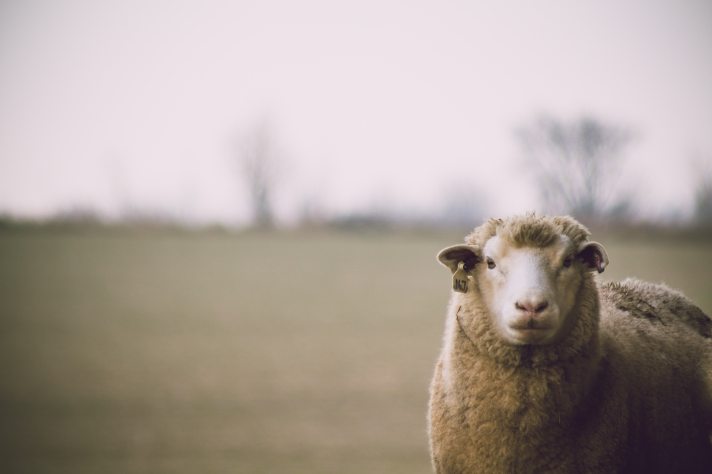
lammas1
Source: Dan Hamill/Pexels
So, wool can mean both the fibre itself and the materials produced from it. This only shows how deep the roots of the production of wool go. Sheep were domesticated around 11000 to 9000 years ago and they were/are actually crucial in this whole civilization thing. Before people started growing cotton, the only options were woollen, linen and nettle textiles. Ancient Romans, Ancient Greeks and people of the Middle Ages almost exclusively wore wool. Over time, the production of wool became more sophisticated and new tecniques for weaving were introduced. It became an important way of making  a living in some Western European countries. Then, the Industrial Revolution came along. Previously, people had been artisans by profession – they had dedicated their lives to their craft. However, after that, anyone could work at a wool factory. Many craftsmen were undoubtedly mad about this and the conflicts went on for quite some time. Eventually, industrialisation won and sheep farms started becoming larger and more industrialised to suit the market demand. Nowadays, there are more than 7 billion people and the majority of them (I guess we could count off about half a billion who rarely ever wear wool because of the climate or wool allergies) use and/or wear wool in some way or another. It’s only natural that the production of wool is enormous to provide for all of them – and there are many problems with it, but also just as many misconceptions about it. I’m going to debunk a few myths and then disuss the topic in a greater depth.
First of all, certain breeds of sheep absolutely need to be sheared. Now, hear me out – this doesn’t apply to wild sheep who naturally shed once a year. However, in the 13th and 14th century, Spanish sheep farmers allowed their animals to mix with English sheep. The new breed that emerged from that was named merino, had lost its natural shedding process and needed help from humans. There have been instances of merino sheep who’ve got lost, lived in the wild and developed quite a pelt (namely, a sheep named Chris carried 39 kg/69 oz of wool!) (Orwig, 2015). According to the American Society of Animal Science, almost all domesticated sheep (not only merinos) are unable to shed and absolutely requite shearing. Unsheared sheep can become overheated, trap flies and maggots under their coats, develop infections and have trouble moving around (ASAS Board, n.d.).
The animal rights organisation PETA has brought attention to numerous videos of sheep being sheared violently and forcefully with workers punching the animals, poking their eyes, leaving them bleeding after shearing and so on (Shapiro, 2016). Moreover, merino sheep have been bred to have wrinkly skin as folds increase the area for wool to grow. These wrinkles are the perfect living space for many parasites who can quite literally eat the animal alive. In order to prevent that, some sheep farmers have resorted to mulesing or in other words, cutting off chunks of the animal’s skin (without any painkillers). In addition to that, sheep are sheared earlier than they would naturally shed and therefore many of them die of cold. Old sheep are often kept in crowded holding pens before selling for slaughter. The sheep are then placed onto ships or packed into trucks, where their lambs may be trampled to death (Embar, n.d.). These are real problems and there’s no doubt about it. Although a lot has been done to stop such inhumane treatment of animals, it’s almost impossible to control huge farms that are only focused on profit and therefore don’t care about animal welfare.
Another thing to consider when talking about the production of wool is the sustainability of it. For example, an article from 1997 states that over 5 million kangaroos are killed each year because they’re seen as pests and the yellow-footed rock wallaby has become endangered because of that (Curnoe, 1997). (Nowadays, they are endagered in New South Wales and Queensland and vulnerable in South Australia (Yellow-footed…, n.d.).) There are environmental problems regarding other animals bred for wool as well. In the past, Mongolian herders used to herd sheep, camels, yaks and cows for a living. However, China’s consumer class has risen and along with that the price of cashmere. The country hasn’t got any strict controls on the wool, which only increases the export of it. Mongolia produced a third of the global supply in 2015 and it’s devastating for the country’s nature. The goats’ hooves are so sharp that massive areas of Mongolia’s grasslands have been trampled down into desert and the average temperature has risen 4 degrees Fahrenheit. According to a researcher, 90% of the overgrazed land could be recovered naturally, but that would create unstable ecosystems, which would be less healthy than deserts. It’s been said that herders should be convinced to swap their goats for camels, whose feet are easier on the ground, but it’s not as lucrative (Schmitz, 2016). This is a prime example of environmental damage caused by the production of wool.
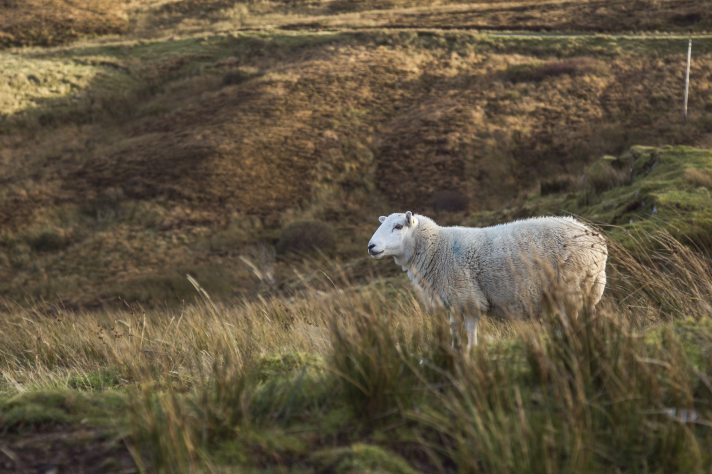
lammas2.jpg
Source: Pixabay
Synthetic materials seem like the perfect alternative. There are thousands of them that are similar to wool in appearance, but don’t cause any harm to animals, are durable and shine in hundreds of vibrant colours. Moreover, unlike most types of wool, synthetic materials can be washed in the washing machine. Some say that there is virtually no need for wool any more, so should we switch over to synthetic materials?
While the infomation presented in the paragraph above certainly supports this argument, we’ve got to consider the problems with synthetic materials as well. First of all, there are two types of synthetic materials. The first type is made from natural fibers (cellulose) that have been chemically treated. Rayon is an example of that. Materials of the second type (such as nylon and acrylic) are fully synthetic (Disadvantages of…, n.d.). It’s quite obvious that the production of such fibres requires either trees being cut down or the usage of crude oil. While synthetic fibres are certainly fascinating for people interested in chemistry (like me), have played very important roles in the 20th and 21th century and made fashion accessible to most people, they still have many downsides.
To start with, synthetic materials don’t trap air in small pockets and therefore provide poor insulation. They aren’t breathable and can easily become loaded with static electricity. Synthetic materials are often prone to heat damage and can melt onto the skin in case of fire (Disadvantages of…, n.d.). Polyester has been linked to hormonal disruption (The Dangers of…, 2018) and the EPA has classified acrylonitrile (a substance used in the production of modacrylic fibers) as a possible human carcirogen and listed its health risks (Acrylonitrile, 2016). In addition to that, the production of textile is accountable for over 20% of the world’s industrial water pollution. Some chemicals and dyes used to produce synthetic materials end up in rivers. Polyester and nylon, both made from petroleum, don’t degrade in nature. The production of polyester uses large amounts of water and the production of nylon emits N2O, a dangerous greenhouse gas. While polyesters can be recycled, nylon cannot (The Dangers of…, 2018).
So now that we’ve established that there are problems with both fibres, is it all hopeless? Is it really impossible to be both ethical and environmentally friendly?
Not really.
The problems with the production of wool that are mentioned above aren’t universal. The American Society of Animal Science has said it doesn’t tolerate the treatment of animals shown in those videos and has clearly stated that any responsible farmer would intervene to stop such behaviour. While shearing cuts do occur from time to time, they don’t involve serious injury. It has also said that similar practices are not the norm in the US or Australia and and they aren’t beneficial either (ASAS Board, n.d.). The last word is especially important to note. In many smaller farms, the owners really do care about their sheep and do everything they can in order to avoid injuries. Moreover, small wool farms such as many in Estonia and elsewhere in Northern Europe are often highly sustainable. Their sheep can live peaceful lives outside and keep meadows free from forestation, which contributes to biodiversity. Many of those farms use all parts of the animals and let nothing go to waste.
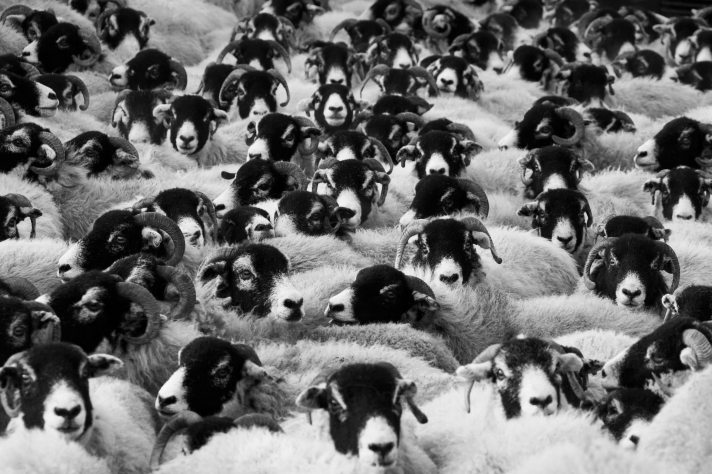
lammas5.jpg
Source: Pexels
Locally sourced ethically and sustainably produced wool from smaller farms may seem like the perfect middle ground… but there’s always a thorn, isn’t there? Wool like that is hard to come by in the US and in other highly industrialised countries. Huge store chains only sell clothes made from synthetic materials. On the one hand, it’s beneficial to the environment, since otherways they would probably sell inhumanely sourced low quality wool. The extent of wool production would be even more massive, cruel and environmentally damaging. On the other hand, the world’s current obsession with synthetic materials is destructive as well. Not only does it destroy the environment, but it is also the reason why most people in the US have absolutely no idea about the different types of wool, the washing of woollen clothes and the pros and cons of different materials. This lack of knowledge creates myths and misconceptions such as all wool is scratchy, you cannot wash woollen clothes, there’s no difference between the different types of fibres and so on. People with these misconceptions often lose their connection with nature and start fearing everything of natural origin. So, both increasing the amount of woollen products and lowering it creates even more problems.

Should we forget about wool then?

If you think that abandoning all sorts of cattle breeding and herding is the most ethical solution, then you’re probably not totally wrong. After all, if there are no animals, there can be no animal abuse. However, what should we do with the animals? If you agree with the statement above, then killing them all and feeding them to people probably sounds unethical to you. Slowly reducing the production of wool might be a much better alternative, but what exactly would we use in place of wool? Linen and cotton (especially cotton) have their own industries that might be vegan, but still use enormous amounts of water and release tons of chemicals every minute. Moreover, while those two are, without doubt, great fibres and already widely used, they’re just very different from wool and don’t fit the niche. Using synthetic materials in place of wool would definitely be more ethical, but also bring along all the problems mentioned in some of the previous paragraphs. Not using wool would probably also be disastrous for many tribes and small nations who are traditionally sheep herders and depend on it. It would be robbing them of their cultures. And after all, the problem isn’t with those people and their herds, but with huge uncontrollable farms.

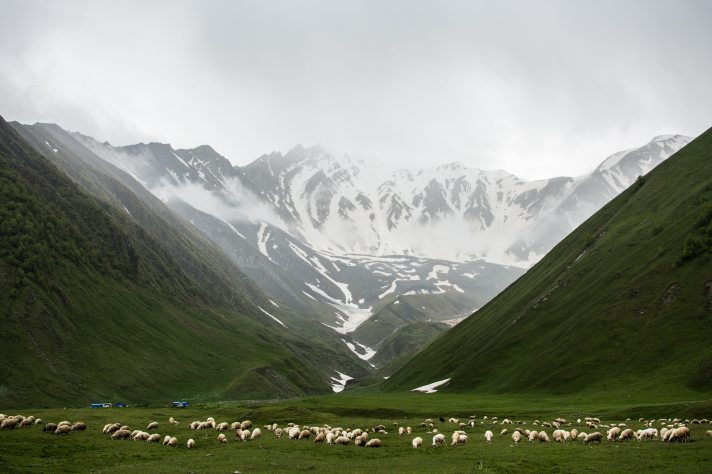
lammas4.jpg
Source: Temo Berishvili/Pexels

You see, the thing is that right now farms can only declare themselves ethical/environmentally friendly (in most countries, to my knowledge) after formal examination. Getting all the certificates and badges is quite tedious. However, if being ethical became the norm, many large sheep farms would certainly try to avoid that, mess with the laws and fake their badges. There are so many farms in the world that it’s impossible to know what goes on in most of them. How could we even try to regulate their owners and methods? Also, the convert from unethical to ethical is costly and not exactly eco-friendly.

However, even after considering all the problems with converting to sustainable wool production all around the world, I truely believe that sustainability can become the norm and help us cope with the ever-growing population of the world. That’s just my two cents as an optimist. However, no matter whether you believe wool should stay and just become more eco-friendly via stricter regulation on huge farms and encouragement for small farmers or we should just move on and adapt synthetic materials, you can definitely do something in order to help the world. It doesn’t have to be going vegan. You can start by just buying sweaters made from alpaca or camel wool instead of cashmere, supporting indie crafters and being aware of how your choices affect the environment. It’s still possible to save the planet.

This article was written to support the international #FridaysforFuture campaign. I’m a 16-year-old myself and quite obviously very worried about the future of our planet. In order to show my support, I’m going to cut down on using unsustainably produced craft supplies including yarn and instead use Oeko-Tex or otherwise certified materials.

Sources:

Orwig, J. (2015.) Enormous, cloud-like sheep are an evolutionary nightmare. Used 15.03.2019, link.

ASAS Board. (n.d.). There’s no such thing as humane wool left on the sheep: Why sheep shearing is absolutely necessary for sheep welfare. Used 15.03.2019, link.

Embar, W. (n.d.). Wool. Used 16.03.2019, link.

Curnoe, D. (1997). Wool… the Reality for the Sheep. Vegan Views, 77. Used 16.03.2019, link.

Schmitz, R. (2016). How Your Cashmere Sweater Is Decimating Mongolia’s Grasslands. Used 16.03.2019, link.

Disadvantages of Synthetic Fibres. (n.d.). Used 16.03.2019, link.

Environmental Protection Agency (EPA): Acrylonitrile. (2016). Used 16.03.2019, link.

The Dangers of Synthetic Fibers and Fabrics on the Environment. (2018). Used 16.03.2019, link.

Yellow-footed Rock Wallaby. (n.d.). Used 16.03.2019, link.

Mälestuste jäädvustamise ilu/The Beauty of Capturing Memories

Kas pole mitte imeline, et inimestele on loomuomane koguda kokku igasugust üsnagi mõttetut träna, mis pakub neile silmailu, mälestusi või rõõmu? Mina olen näiteks endale tagavaraks pannud hulgaliselt käbisid, kive eri randadest, kuivatatud sammalt, pressitud lilleõisi, põdrasamblikku, teokarpe ja muud sellist vaimustavat. Ka allpool olevatel fotodel võib märgata paari mu “kollektsiooni” osakest. Omamoodi annavad kollektsiooni mõõdu välja ka fotod. Olen kuulnud pildistamise kohta eri arvamusi. Mõned ütlevad, et kõige olulisemad on mälupildid ning fotode tegemine kisub inimest hetkest eemale. Lühidalt öeldes oleks õigem kõike kogeda läbi omaenda silma. Teiste sõnul pole fotode tegemises midagi halba. Fotod on nagu purkipüütud mälestused, mis suudavad meid neisse hetkedesse tagasi viia. Eks mõlemas seisukohas ole oma tõetera ning võib-olla on rohkem õigus neil, kes väärtustavad üle kõige emotsiooni vahetut kogemist, mitte selle hilisemat meenutamist. Sellest hoolimata usun mina enam teisi. On ju inimhingel sügav sisemine soov minevikku võimalikult eredalt mäletada. Miks muidu hakati ilusatest kohtadest koguma kivikesi või rongipileteid-magneteid-postkaarte laekatesse laduma? Fotod on täpselt nagu postkaardid või magnetid, aidates meil veel paremini mäletada ilusaid hetki ning muutes meie oma mälestusi eredamateks. Jäädvustused vabadussõjast, esimesest ja teisest maailmasõjast ning teistest aegadest aitavad inimestel mõista nende eelkäijate kannatusi ja rõõme ning annavad väärtuslikku ajaloolist teavet. Tihti ei mõisteta muutuste ulatust enne, kui vaadatakse jäädvustust vanast. Ega kellaseieri liikumistki tähele ei pane.

Seega, ei tasu veeta kõiki ilusaid hetki vaid kaamerasilma taga, ent toreda juhtumise jäädvustamine salvestab selle momendi igaveseks ning pakub loodetavasti ka hiljem võimalust näha ja meenutada seda, mis oleks muidu ehk ajaloos kaotsi läinud.


Isn’t it absolutely fantastic that humans have a tendency to gather all sorts of unreasonable trinkets that look pretty, make them happy of remind them of something? I, for instance, have collected lots of conifer cones, stones from different coasts, dried moss, pressed flowers, cup lichen, seashells and other such fascinating objects. Photos can also be a kind of collection, can’t they? I’ve heard different opinions on taking photos. Some say that real memories are the most important and taking photos doesn’t let one be in the moment. In short, according to them, it would be best to see everything through one’s own two eyes. Others believe there is nothing wrong with taking photos. After all, they’re just like captured memories that can help us transport back in time. Both of those stances have some truth in them and maybe the ones who say that it’s better to experience every emotion on the spot are more right. However, I prefer the second approach. The soul has a wish to remember the past as vividly as it can. Why otherwise did people start collecting pretty stones and gathering train tickets, magnets and postcards? Photos are just like postcards and magnets – they help us remember beautiful moments better and enchance our own memories. Pictures of The Estonian Independence War, WWI and WWII and other times help people undestand the sufferings and the joys of their ancestors and provide useful historical information. People don’t often realise how much things have changed until they see how they used to be. We don’t notice the clock’s hands moving, do we?

So, it’s no good to look at every beautiful moment through the camera lens, but taking a photo of a fun moment captures the emotion forever and hopefully provides an opportunity to see and remember something that would otherwise have been lost in time.

Processed with VSCO with m3 presetProcessed with VSCO with f2 preset

Sügavamõttelist loba korraks lõpetades lühidalt ka pooleliolevast projektist. Patentkoes asjadusest peaks saama äärmiselt lai sall. Kahjuks seekord ei midagi rahvuslikku, tegumoeliselt huvitavat või erakordselt isikupärast. Mitte veel. Kindlasti ei suuda ma aga mõne kiiksuga detaili lisamisele vastu panna.

And now something that isn’t that deep. Here’s my work-in-progress. This brioche piece should become an extremely wide scarf. Unfortunately, nothing ethnic, constructionally interesting or exceptionally unique this time. Not yet. I bet I can’t resist adding something quirky though.

Processed with VSCO with m5 preset

Käsitöösõnavara etümoloogilised alged

Tänane postitus on täpselt sama spetsiifiline, kui pealkiri lubab. Võib-olla isegi spetsiifilisem. Minu üks absoluutseid lemmiksaite on ETY ehk etümoloogiasõnastik. Nagu kullalaegas, ainult et omab hindamatut vaimuväärtust. Plaanisin teha postitust vähetuntud eestikeelsetest sõnadest, ent veel enne, kui selle avaldamiseni jõudsin, sattusin otsima sõna “heie”. Leitud sõnakirjeldus oli aga niivõrd põnev, et otsustasin päringuid teha ka teiste käsitööterminite kohta. Ja mis ma leidsin… noh, seda saab allolevast nimekirjast lugeda. Pean muidugi selgesõnaliselt kinnitama, et kõike seda ma loomulikust intelligentsist ei teadnud ja tänu võlgnen etümoloogiasõnastikule.

  1. Pea kõigil käsitööhuvilistel on vähemalt ettekujutlus, kuidas heidest lõnga kedrata ja sellega viltida. Sõna on levinud aga ka nende seas, kes käsitööd hoopiski ei tee. Arvatavasti on paljudele üllatav aga selle tekkelugu. Kuigi on võimalus, et tegu on balti või germaani laenuga, pakub ETY esimesena siiski varianti, et sõna “heie” pärineb läänemeresoome tüvest, mille variandid tähendavad teistes keeltes paelussi. Järgmine kord villakäsitööd tegema hakates tasub endale meelde tuletada, et Soomes heidest rääkides võib saada küllaltki veidraid pilke.
  2. Ilmselt on suurem osa käsitööhuvilisi mingil hetkel imestanud selle üle, kui loov on inimkond muistsetel aegadel olnud loomasoolte kasutamisega. Tuleb välja, et need on ühtlasi olnud ka ühed varaseimad õmblusmaterjalid. Eesti keelde on sõna lõng laenatud alamsaksa keelest, kusjuures samast tüvest pärinev islandikeelne lange tähendabki veise jämesoolt. Kas see teadmine just kasulik on… hmm, ilmselt ei, aga vähemalt huvitav. Ja natuke õõvastav.
  3. Alamsaksa keelest pärinev sõna nööp on küll huvitav, ent nööbil on ka oluliselt veidram kaksik – 1970. aastatel loodud noop, mis peaks EKSS kohaselt tähendama väikest värvilist ketas vm. kujundit, mida kasut. lugemaõpetamisel keelendi analüüsiks ja sünteesiks. Peale selle tähenduse lugemist hakkab tekkima ähmane aimdus, miks sõna massidesse ei läinud.
  4. Nöör kõlab vägagi eestipäraselt, ent tegu on alamsaksa (või rootsi) laenuga. Samamoodi on ka sõnadega riie, tikkima ja heegeldama. Kuduma on suure tõenäosusega aga läänemeresoome-permi tüvi.
  5. Täiesti pöörane ajalugu on hoopis sõnal keder – ükskõik, kas potikedra või kedervarre tähenduses. Sõna on laenatud alg- või isegi eelindoiraani keelest. Seega võib kedra vist kroonida üheks kõige vanemaks eestikeelseks käsitööterminiks.

Nõnda siis. Vaat kui palju ajalugu võivad käsitööterminid endas peita.


Fotodel kujutatud on minu hiljuti valmis saanud Muhu pättidest inspireeritud sussid. Must leib, suvine heinamaa ja Muhu pätid on kõik eestlase sünonüümid. Mina heegeldasin villasest lõngast tallad, puuvillasest pealise ning alles siis tikkisin peale mõned tagasihoidlikud õied. On vist ilmselge, kui suur botaanikafanaatik ma olen. (Pruun asi alumises paremas nurgas on muideks männikäbi, mis tundus lilledega sobivat. Ei sobinud, aga pilt meeldib mulle ikka.)


muhu1

This post is all about the history and etymology of common Estonian crafting terminology. It’s fascinating in my opinion, but I don’t think it is interesting for anyone who is not Estonian, crafty and/or interested in history, so yeah, I’m not going to translate it. Sorry!

By the way, the slippers in the photos are inspired by traditional Muhu slippers. Black bread, a summery meadow and Muhu slippers are all virtually synonymous to being Estonian. Instead of making real shoes, I crocheted woollen soles, added cotton uppers and then embroidered some blooms. I guess it’s obvious that I absolutely adore botany. (Oh, and that thing in the bottom right corner is a pine cone. Thought it would fit in nicely with the flowers. It really didn’t, but I like the photo nevertheless.)


Jõulud ja ajatus/Christmas and What Is Really Timeless

Häid jõule! Ka sel aastal ei jää jõulupostitus tegemata. Tegin puidust toorikuid värvides jõuluehteid. Neid on tegelikult 54, aga kõik otse loomulikult fotole ei mahtunud. Minu arust tulid vahvad välja.


Merry Christmas! The annual Christmas post will come this year as well. I made some ornaments by painting wooden blanks. There are actually 54 of them, but all of them did obviously not fit in the photo. I think they came out pretty cute.

Kaunistused.jpg

MirjuIngel

Rääkides jõuludest tuleb öelda, et ka aasta tervikuna on otsa saamas. Alles oli 2017 lõppemas, nüüd juba 2018. Mina plaanin järgmisel aastal lisaks õpingutele uurida ka veel enam eesti ning teiste soomeugri rahvaste traditsioonilist käsitööd, pärimust ja mütoloogiat. Tahaksin ka valmis saada oma loo, mis hetkel veel poolikuna Wordi dokumendis seisab ning samuti endas suurel määral eesti ning soome-ugri pärimust kätkeb.  Teiste soome-ugri rahvaste folkloori kohta info otsimisel avastasin enda jaoks folklooriajakirja Mäetagused, mis kindlasti terveks vaheajaks lugemist annab. Soovitan soojalt digitaliseeritud artikleid lugeda. Millised teemapüstitused! Vai-mus-tav! Samast liigast on ka (samuti digitaliseeritud) ajalooajakiri Tuna, millest kuulsin alles paar kuud tagasi. Mõelda vaid. Võib elada ilma teadmata, et olemas on sellised imetoredad ja harivad ajakirjad. Teeb lausa kurvaks, et inimesed tunnevad Kroonikat ja Õhtulehte, aga mitte Mäetaguseid ja Tuna. Nad ei mõista, et kollane ajakirjandus on päevakajaline vaid lühikeseks ajaks, ent kvaliteetartiklid säilitavad väärtust aastateks ja aastateks. Tihti räägitakse aeglasest moest, ent aeglane meedia on sama oluline. (Mitte et vahetevahel H&M-is poodlemine või kuulsustest lugemine oleks kuidagi taunitav.) Sarnaselt kirjandusele on ajatuse mõiste oluline ka käsitöös. Kindaid ise meisterdades kaasnevad nendega mälestused lõngavalikust, tegemisprotsessist ja valmimisrõõmust, mis muudavad nad väärtuslikuks. Selline väärtus aja jooksul mitte ei kao, vaid kasvab, muutes nad ajatuks.


The end of the year is nearing. Only some time ago, 2017 was ending and now it is soon 2019. Next year I plan on researching more about the archaic/traditional crafts, folklore and mythology of Estonians and other Finno-Ugric nations. I would also like to finish my story that’s currently sitting unfinished in a Word document and also contains large amounts of Estonian and Finno-Ugric mythology. While researching the myths of other Finno-Ugric nations I found a folklore magazine issued by the Estonian Literary Museum that will surely provide me with reading for the rest of the Christmas break. I thoroughly recommend reading the digital articles. The topics are really interesting and the whole magazine is just fascinating. A similar example is a magazine issued by the Estonian National Achieve which I also heard about only a few months ago. To think that one can live without even knowing that such wonderful and educational magazines exist. It’s sad that many people know all about tabloid journalism, but have little idea about history and folklore magazines. They do not realise that celebrity gossip is only relevant for a day, but quality articles will be valuable for years to come. People talk a lot about slow fashion, but slow media is just as important. (Not that there is anything wrong with occasionally shopping at H&M or reading some celeb news.) The same applies to crafts. Making a pair of mittens by yourself means that you will also remember picking out the yarn, knitting them and feeling the joy of making the last stitch. Those memories make them valuable and this value only increases with time, making the mittens timeless. 

Telefonikott

Kirikinnaste lugu/The Story of a Pair of Colorwork Mittens

Võis olla ehk veebruari lõpp või märtsi algus, kui Saara Kirjastusel ilmus “Eesti silmuskudumine II. Sukad ja sokid” ning toimusid ka selle esitlused. Mina otsustasin juba enne esitlust sukka kuduma hakata ning valisin eeskujuks need oma aja kohta erakordselt minimalistlikud sukad Muisi veebiväravast. Kuna veel mul arhailist või vähemalt arhailise imitatsiooniga peenikest sukalõnga polnud (ei ole nagu varem juhtunud 1,5 mm varrastega kindaid kuduma), tegin soonikud kahekordsest Haapsalu salli lõngast. Eks natuke imelik valik oli, aga töötas.

Enne esitlusel käimist hankisin ka Saara Kirjastuse Head kindalõnga ja 1,5 mm vardad. Peale esitlust joonistasin mustri maha ja tegin mõned täiendused, sest see tundus olevat liiga piklik. Ettevalmistused tehtud, oli lausa lust kuduma hakata. Kui alguses tundusid vardad nööpnõelajämedustena, siis juba varsti harjusin ära.

Mingil hetkel sain muidugi aru, et minu loomus ei oleks rahul sellega, kui kooksin imetillukeste varraste ja 8/2 lõngaga lihtsalt sokid. Kui juba nii palju töötada, siis tuleks ikka rihtida esinduslike kinnaste poole. Nõnda tekkis uus plaan: põlvikute asemel pika varrega labakud.

Suurema osa kudumisprotsessist imestasin ma, miks mitte ükski vana eestlane sääraseid pika varrega kindaid ei kudunud. Jõudsin järeldusele, et selliste kudumine oli vanade (ja praktilise meelega) eestlaste jaoks lihtsalt täiesti mõttetu. Milleks kududa üks erakordselt pikk kindapaar, kui saaks kududa kaks täiesti normaalset kinnast?

Olles aga juba sellise erakordselt ebapraktilise (ent kena) projektiga alustanud, võtsin nõuks ka selle lõpule viia. Valgele ja roosale Heale kindalõngale lisandus ka teisel pool maakera ehk Lõuna-Ameerikas elavate alpakade ja lammaste villast Drops Flora.

Kui nüüd kinnaste juurde tagasi tulla, siis lõpetasin need oktoobris. Üllatavalt kaua võttis ka lõngaotsade peitmine. Kaua tehtud kaunikesed. 🙂


It might have been the end on February or the beginning of March when Saara kirjastus (an Estonian publishing house that focuses on traditional crafts) published “Eesti silmuskudumine II. Sukad and sokid” (‘Estonian Knitting II. Stockings and socks’) and had a nice formal launch. I started knitting even before going to the launch and chose these stockings as my inspiration, as they looked extremely minimalist for their time. As I didn’t have archaic or at least seemingly archaic sock yarn at home (I’m not talking about the modern kind of 75% wool and 25% polyamide sock yarn, but classic 8/2 woollen yarn), I started knitting the rib with Haapsalu shawl yarn held twice. It was a questionable choice, but it worked.

Before visiting the launch, I bought some Saara Hea mitten yarn (basically a 8/2 woollen yarn that imitates old yarns used centuries ago) and 1.5 mm needles. After the launch, I redrew the pattern and made some changes, as it was too elongated. Having done all the preparations, I could start knitting. Although the needles seemed like needles to me at the beginning, I soon got used to them.

At some moment, I understood that I was never going to be happy with knitting just socks with 1.5 mm needles and 8/2 yarn. If I’m putting so much effort into knitting, I should at least make mittens. New plan: long mittens instead of stockings.

I spent most of my knitting time wondering why no Estonian woman in the old times knitted long mittens. I came to the conclusion that knitting those would have been completely and utterly pointless in the practical minds of those old Estonians. Why knit a pair of mittens that long if you could just knit to pairs of normal mittens?

Anyways, having already started this utterly pointless (but pretty) project, I wished to finish it as well. I added Drops Flora, a yarn made of the wool of sheep and alpacas living in Peru. Hiding the yarn ends took a surprisingly long time, so I finished the mittens in October. Here they are!

Koheva kampsuni õpetus/A Pattern for a Fluffy Jumper

See boolerolaadne kampsun valmis tegelikult juba kevadel. Pildile sai ta septembri alguses ning blogisse nüüd. Tegu on angooravillase koheva lõngaga, allääres kasutasin ka kid-silki. Tagant on kampsun samasugune, aga roosa. Kuna kudumine oli nii lihtne ja kiire, mõtlesin, et võiksin üles kirjutada ka väikse õpetuse.

***

I actually finished this shrug-esque jumper in the spring. However, I took the pictures in the beginning of September and the blog post is going up just now. It’s made of fluffy angora yarn, plus I used some kid-silk for the edging. The jumper looks exactly the same from the back (apart from the fact that it’s pink). As the making of it was so incredibly simple, I thought I’d write up a little tutorial.

kampsun1

kampsun2

Lõng: Mina kasutasin kampsuni kehaosa tarbeks lõnga Contessa Light toonides 4 ja 1, mõlemat värvi kulus üks tokk. Kuna lõng tundub olevat üsnagi haruldane ja Ravelry andmebaasis seda isegi enne minupoolset lisamist ei eksisteerinud, tasuks ehk otsida mõni alternatiiv. Äärepits on heegeldatud BBB Filati Kid Royalist.

Vardad: 4,5 mm.

Heegelnõel: 2,5 mm.

Loo esimese värviga üles 72 silmust.

Koo 20 rida parempidikoes. Siis koo 26 s, koo maha 20 silmust ning koo 26 s. Vaheta lõng teise vastu. Järgmisel real koo 26 s pahempidi, loo 20 silmust ning koo taas 26 s pahempidi. Koo taas 20 rida parempidi ning siis koo silmused lõplikult maha. (8 korda sõna “koo” ühes lõigus on mu isiklik rekord.)

Õmble ülesloomise ning mahakudumise ääred kokku – paremalt ja vasakult 22 silmust, jättes keskmised 28 kinnitamata. See avaus jääb kaelaavaks.

Nüüd tasuks kudumise keskel mahakudumise ning silmuste loomisega loodud avause serv üle heegeldada. Selleks kasuta peenet kid-silk lõnga. Mina tegin lihtsa kaherealise äärepitsi. Esimesel ringil *ks, 5 as* ringi lõpuni (hoides kinnissilmuste vahed u 1,5 cm). Järgmisel ringil heegelda tee ks igasse eelmise rea ks-sse ning *psm, 5 sm, psm* igasse eelmisel real loodud aasa. Loodan, et see kirjeldus pole liiga ebaselge.

Peida lõngaotsad. Ongi valmis!

***

Yarn: For the most part, I used Contessa Light in the shades 4 and 1. It took a skein of each. As the yarn seems to be relatively obscure and didn’t even exist in the Ravelry database before I added it, you should probably look for an alternative. The little shell edging is crocheted with BBB Filati Kid Royal.

Needles: 4,5 mm.

Crochet hook: 2,5 mm.

Cast on 72 sts with your first color.

Knit 20 rows. Then knit 26, bind off 20 and knit 26. Switch the yarns. On the next row purl 26, cast on 20 and purl 26 again. Knit 20 rows again. Cast off all of the stitches.

Connect the cast on&off edges, sewing together the first 22 stitches on both left&right and leaving the center 28 unsewn. This will be the neckhole.

Now crochet over the hole you made by casting on and off in the middle of the row. Use a fine kid-silk yarn. I added a simple edging which is composed of two rows. First round: *sc, ch 5* until the end of the round, keeping the single crochet stitches about 1,5 cm apart from each other. Next round: sc into each of the single crochets you made during the last round and *hdc, 5 dc, hdc* into each loop. I really hope this description isn’t too confusing.

Once you have hidden the yarn ends, your new jumper is finished!

Nõeltehnika ja ajaloo kangas/Nålbinding and the Fabric of History

Kui otsite viisi, kuidas muidu meeldivat õhtut sisustada mõttetöö, tööproovide ja tundega, et viibite 12. sajandi talus, peaksite proovima nõelkudumist.

Ilmselt pole just väga paljud kuulnud sellesamusest nõelkudumisest ehk nålbinding‘ust – iidsest käsitöövormist, kudumise ja heegeldamise eelkäijast. Lühidalt öeldes on see suure nõelaga tehtav õmblemise ja kudumise hübriid. Mina kirjutasin sellest hiljuti artikli ning soovisin ka ise proovida. Nõel vestetud, asusin guugeldama. Tuleb välja, et hoolimata tegevuse haruldusest on siiski ajaloouurijaid ja käsitöötegijaid, kellele see huvi pakub ja nõnda võibki Internetist leida korraliku koguse õpetusi.

Nendest kõigist õpetustest on haruldaselt vähe kasu.

Ent kuigi esialgu valdas mind (nagu iga nålbindingu õppijat, vähemalt nii võib inimeste kirjatükkidest järeldada) tunne, et see on täiesti võimatu, siis mõne aja pärast käis ahhaa-moment ära ja voilá, nüüd on juba paar tööproovi valmis. Tasub mainimist, et kasutasin ise kedervarrega kedratud lõngu. Poolenisti proosalisel (ikkagi samal viisil valmistatud kui need lõngad, mida nii umbes kaks tuhat aastat tagasi sama tehnika jaoks rakendati) ning poolenisti praktilisel põhjusel (jämedate lõngadega on parem harjutada). Kedratud pole siiski mitte maauttede villast, vaid Austraalia meriinolammaste lokkidest. Kunagi tuleb ikka kohalik lambavill ka ette võtta.

Kuigi veel piirduvad minu nõeltehnika oskused ühe silmusega, leian ma selle olevat päris huvitava ja soovitan teistelegi proovida. Allikas, mida mina alguses kasutasin, on http://webpages.mcgill.ca/staff/Group2/jhobbi/web/classes/nal_oslo.pdf. Absoluutselt vaimustav on ka Soome neulakinnastega ja üldisemalt nõeltehnikaga seotud veebileht https://www.en.neulakintaat.fi/1. Ning muidugi tasub MUISi andmebaasist otsida sõnu nõelkinnas ja nõelkindad.

Olles, nagu juba öeldud, esimesed tööproovid jämeda lõngaga valmis saanud, tekkis mul soov uusi lõngu juurde kedrata. (Noh, et ikka täielikult 12. sajandi atmosfääri sisse elada). On täiesti müstiline, et ikka kuigi ketrajaid leidub nii Eestis kui mujal maailmas küllaga (mõtlen neid, kes ketravad hobi, mitte tööna), tundub neid ikkagi tohutult vähe olevat. Minule on värtna veeretamine selline nipet-näpet hobi. Kord paari kuu tagant võtan oma kie’ddõr’i (liivi keeles kedervars) välja ja teen mõne tillukese toki. Esimene kord proovisin ma kedrata vist 2016. aasta sügisel. Minu ketramisdebüüdiks sai üsnagu inetu viht oranž ja lilla viht jämedat “lõnga”, järgmine katse oli aga juba päris korralik ja nii ma siiamaani aeg-ajalt lõngu meisterdangi.

Tänavu augustis ketrama hakates võtsin asja ette pisut tõsisemalt ja sain valmis päris mitu vahvavärvilist tokikest, mida võib näha juuresolevatelt piltidelt. Kahjuks pole mul veel tehtud ühtegi fotot oma nõeltehnika tööproovidest. Küll need jäävad järgnevatesse postitustesse.

Siin on vist õige koht tuua välja selle postituse moraal(id). Esiteks, kui juba kord ketrama hakata, võib end aastaid hiljem leida uurimas haruldaste väljasurevate käsitöövormide kohta ja lugemas, kuidas Nepaalis nõgestest lõnga tehakse. Teiseks, nendesamade iidvanade käsitöötehnikatega pusimine on täiesti uskumatult huvitav ja hariv. Mõelda vaid, keegi tegi samasuguseid (ehk mitte nõnda kirevaid) lõngatokke tsivilisatsiooni koidikul, antiikajal, keskajal, uusajal ja nüüd ka täna. Ja selliste käsitöövormidega tõepoolest tasub ka tänapäeval tegeleda, sest siis harrastatakse neid ka tulevikus. Just käsitöö annab meile hindamatuid teadmisi minevikust, ühendab põlvkondi ja põimib eri epohhid kokku ühtseks ajalookangaks.

***

If you’re looking for a way to fill an otherwise nice evening with lots of thinking, quite a few swatches and the feeling of being in an 12th century farm, nålbinding is just for you.

Many haven’t heard of nålbinding, an ancient craft and the ancestor of knitting and crocheting. In essence, it’s a hybrid of knitting and sewing done with a large needle. A few weeks ago, I wrote an article about it and decided to try it myself. After carving the needle out of wood, I started googling. Turns out that despite its rarity there are quite a lot of people interested in either history or crafts who have written tutorials and posted them on the Internet.

These tutorials are very little of use.

But although initially I felt (like every other person who’s learning nålbinding, according to people’s blog posts) that it was absolutely impossible, after some time I had a lightbulb moment and voilá, I’ve made quite a few swatches since then. It’s also worth noting that I used my own handspun yarns. There are two reasons for that. The first (poetical) reason was that my yarns were, after all, made in the same way as those people used circa two thousand years ago. The second (practical) one was that it was easier to learn with thick yarns. Although spun with a drop spindle, they’re not made of rough, autentic wool, but the fleece of Australian merino sheep. Someday I really should try spinning with local wool.

Although my nålbinding skills include only one stitch so far, I find it fascinating and would recommend it to others. The source I used the most was http://webpages.mcgill.ca/staff/Group2/jhobbi/web/classes/nal_oslo.pdf. There’s also an amazing site dedicated to Finnish neulakintaat and just nålbinding in general https://www.en.neulakintaat.fi/1.

Having, as I already said, finished my first swatches made with thick yarn, I wished to spin some more for future nålbinding projects. (To truely feel the 12th century vibe.) It’s strange how there are quite a lot of hobbyist spinners both here in Estonia and abroad, but there always seems to be so few of them. For me, spinning is a novelty hobby. Every few moths I take out my kie’ddõr (Livonian for drop spindle) and make some small skeins. The first time I tried to spin was in autumn 2016. My debut was a rather ugly skein of orange and violet “yarn”, but the following one looked much better and since then I’ve been making my own yarns every so often.

This August, when I started spinning again after a long break, I took it a bit more seriously and finished quite a few colorful mini skeins shown in the photos below. Unfortunately, I haven’t taken any photos of my nålbinding swatches yet. I’ll probably add them to future posts.

I guess it’s time for the moral(s) of this post. First of all, learning to spin means that one day you’ll find yourself researching obscure crafts that are becoming extinct and reading about people who make yarn out of nettles in Nepal. Secondly, trying to do those obscure crafts is extremely interesting and educational. To think, someone made similar (maybe not that colorful) bundles of yarn at the dawn of civilization, in Classical Antiquity, in the Middle Ages, in the Modern Period and right here in the 21st Century. Doing activities such as spinning yarn will make sure they’ll be done in the future as well. Crafts hold invaluable information about the past, connect generations and quite literally weave different ages together into the fabric of history.